What Is Stroke Rehabilitation?
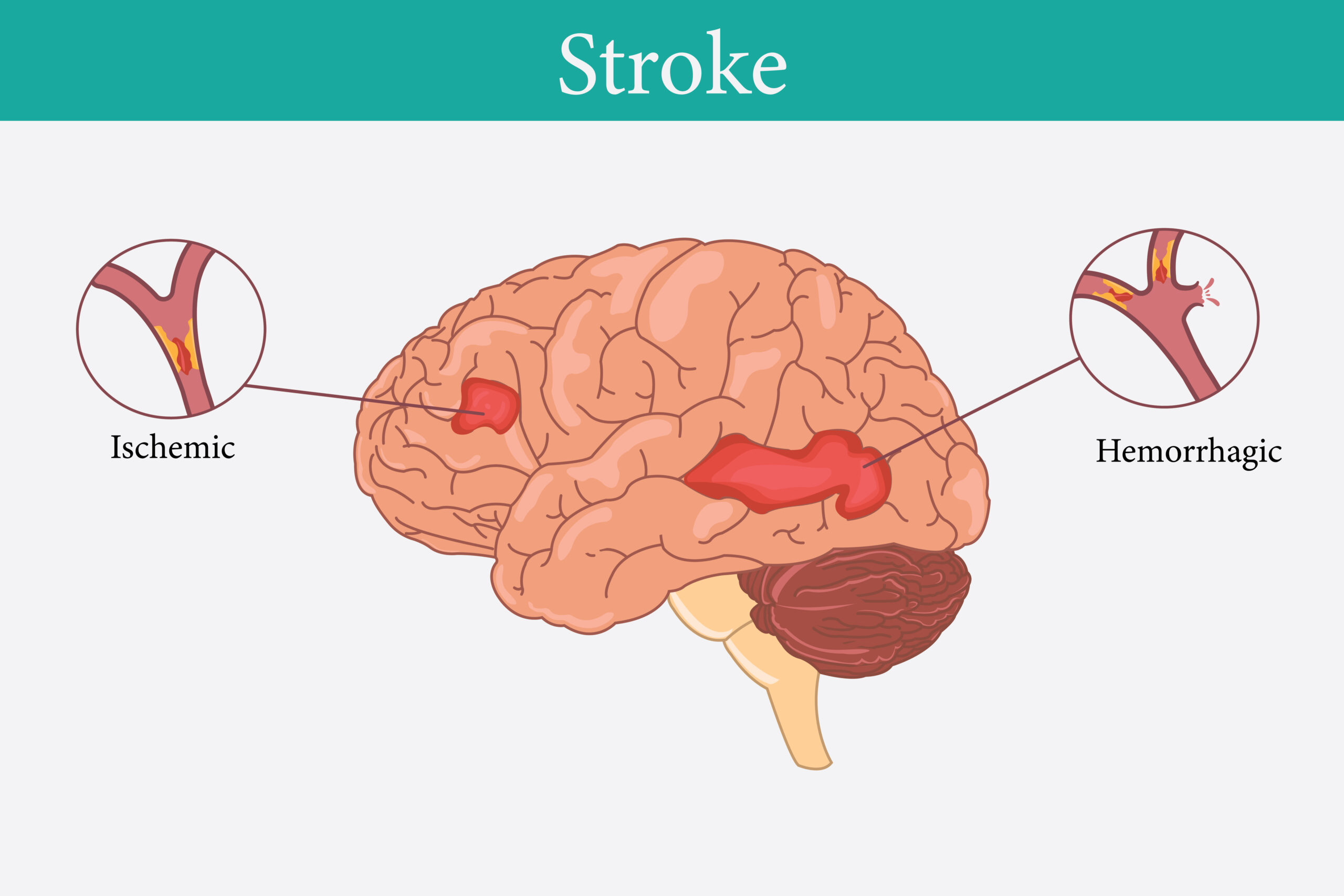
Stroke rehabilitation is a set of therapies that help people recover after a stroke. It focuses on regaining lost skills, improving strength, and learning new ways to do daily tasks. After a stroke, many people need help to walk, talk, or use their hands. Because of this, stroke rehabilitation is very important for a better quality of life. The stroke recovery process often starts soon after the stroke. Rehabilitation after stroke may include physical, occupational, and speech therapy. Many stroke therapy programs are available in hospitals, rehab centers, and even at home.
Common Symptoms and Challenges After Stroke
After a stroke, people may face many challenges. These can affect the body, mind, and emotions. For example, some common symptoms include:
However, each person’s symptoms can be different. Some people may recover quickly, but others need more time and support. Because of these challenges, stroke rehab centers offer special care for each patient.
Goals and Benefits of Rehabilitation
The main goal of stroke rehabilitation is to help people become as independent as possible. This means learning to do daily tasks, like eating, dressing, or bathing. In addition, rehab helps improve strength, balance, and thinking skills. With the right support, many people can return to work or hobbies. Also, stroke rehab can lower the risk of future strokes. According to the CDC, early and regular rehab leads to better recovery outcomes.
Types of Stroke Rehabilitation Therapies
There are several types of therapies used in stroke rehabilitation. Each one targets different needs. For example:
Sometimes, other therapies like music or art therapy can also help. Because every person is different, rehab programs are tailored to each patient’s needs.
The Stroke Rehabilitation Process: What to Expect
Stroke rehabilitation often begins in the hospital, sometimes within 24 to 48 hours after the stroke. Early rehab can help prevent problems like stiff muscles or bedsores. After leaving the hospital, many people continue rehab at a stroke rehab center, outpatient clinic, or at home. The stroke recovery timeline varies for each person. Some may see progress in weeks, while others need months or longer. During rehab, a team of doctors, nurses, and therapists work together. They set goals, track progress, and adjust the plan as needed. Family members are often involved in care and support.
Tips for Supporting Recovery at Home
Home support is a key part of stroke recovery. Here are some helpful tips:
Because recovery can be slow, celebrate small steps and progress. If you have questions, ask your rehab team for advice.
Preventing Future Strokes: Lifestyle and Medical Guidance
Preventing another stroke is very important. You can lower your risk by making healthy choices. For example:
According to the World Health Organization, these steps can greatly reduce the risk of future strokes. Your doctor may also suggest more tests or treatments based on your needs.
Frequently Asked Questions About Stroke Rehabilitation
Conclusion
Stroke rehabilitation is a vital step in the stroke recovery process. With the right therapies and support, many people regain their independence. If you or a loved one needs help, consult a neurologist or rehabilitation specialist for personalized stroke recovery advice.